- Same-day appointments available
- (813) 440-4420
- Insurance Plans Accepted


(813) 440-4420
- Evidence-Based Diagnostic Protocol
Testosterone Replacement Therapy (TRT) in Tampa: Lab-First Care That Confirms Before It Treats
If you are experiencing persistent fatigue, low libido, loss of muscle mass, or unexplained brain fog, Testosterone Replacement Therapy (TRT) provides targeted, physician-supervised hormonal care to restore your energy and overall vitality.
(813) 440-4420
- Home
- Testosterone Replacement Therapy (TRT)
Diagnostic Lab-First Hormone Evaluation
Physician-Supervised
25 Years Experience
- Common Low-T Symptom Recognition
Signs That Point to Low Testosterone
Low testosterone often shows up as tiredness, low sex drive, mood changes, and lost muscle. But those same signs can come from poor sleep, stress, or thyroid problems. A morning blood test is the only way to know for sure.
Testosterone Replacement Therapy (TRT) can help a lot of men feel like themselves again. But it only works when low testosterone is the real problem. Symptoms get you in the door, lab work tells us what’s going on. That’s the heart of how we approach TRT.
So what does low T usually look like? Most men don’t notice one big change. They notice a slow slide over months or years.
- Feeling wiped out even after a full night of sleep
- Less interest in sex, or trouble with erections
- Mood swings, a short fuse, or just feeling flat
- Losing muscle while your belly gets bigger
- Trouble focusing at work
Here’s the tricky part. Every sign on that list has other causes too. Poor sleep, stress, weight gain, and thyroid problems can look almost exactly the same.
We hear this one all the time. A man tells us he’s dragging by 2 p.m., and his wife says he’s been snapping at the kids.
Tampa summers add a twist. Long, humid stretches from June through September leave plenty of people drained and a little dehydrated. That kind of tired can feel a lot like low T, and it isn’t. Plenty of our patients figured it was just the heat, or age, or work.
And sometimes they were right. That’s why we check a morning blood level with our in-house lab support. Testosterone runs highest early in the day. One low number isn’t the full story, so we often repeat the test before we talk about treatment.
No guesswork.
(813) 440-4420
- (813) 440-4420
- admin@renaissancemedicalcenter.org
- 3832 W Humphrey St, Tampa, FL 33614
- Lab-First Diagnostic Precision: We conduct detailed, comprehensive blood panels directly in our clinic to measure exact free and total testosterone levels before initiating care
- Physician-Supervised Care: Every TRT treatment plan is customized and continuously monitored by experienced healthcare providers to ensure clinical safety and optimal results
- Ongoing Lab Monitoring: We perform regular follow-up bloodwork to carefully track hormone balances, hematocrit levels, and cardiovascular health markers.
- Integrated Health Oversight: Your hormone therapy is coordinated alongside primary medical care, blood pressure management, and routine wellness screenings.
- Fully Bilingual Staff: Our clinical team reviews dosage schedules, lab results, and health improvements clearly in both English and Spanish.
- Insurance Benefit Verification: Our administrative staff contacts your insurance provider prior to treatment to confirm lab work and diagnostic testing coverage.
- Convenient Local Access: Located on W Humphrey St, our medical center is easily accessible for residents across Egypt Lake-Leto, Town 'n' Country, and Greater Carrollwood.
(813) 440-4420
- Essential Baseline Diagnostic Testing
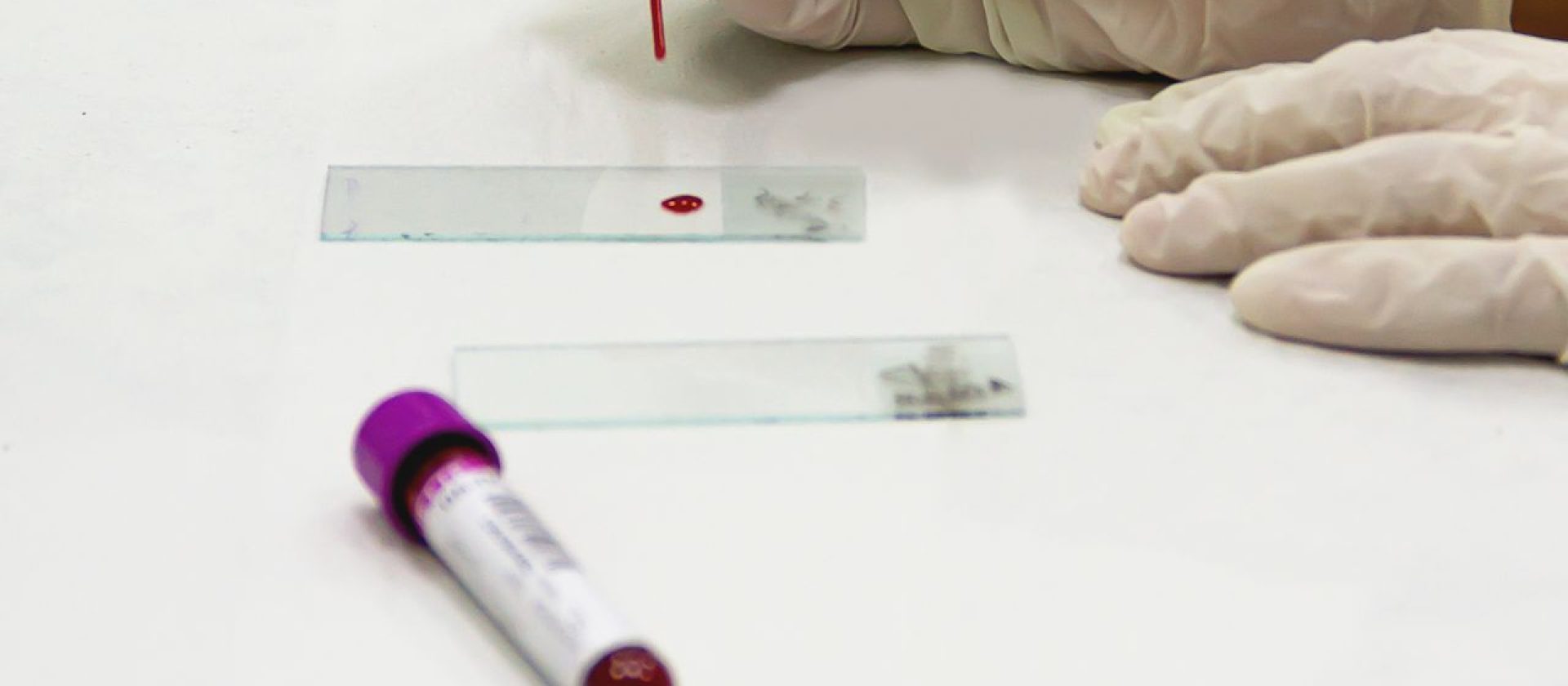
Why Bloodwork Comes Before Any Treatment Plan
Feeling tired doesn’t prove your testosterone is low.
We hear this story all the time. A man comes in worn out, gaining weight around his middle, and he’s lost his drive. He’s sure it’s low T. Sometimes he’s right. But those same signs can come from poor sleep, thyroid trouble, stress, or a medication he started last year.
That’s why a blood test comes first, every time. Guessing with hormones isn’t care, it’s a gamble.
So what do we look at? A typical first workup often checks things like:
- Total testosterone, drawn in the morning when levels usually run highest
- Free testosterone, the part your body can use
- Red blood cell counts, since treatment can thicken the blood over time
- PSA, a basic prostate check for men in the right age range
- Thyroid and other markers that can look a lot like low T
One low number isn’t the whole story either.
Testosterone swings from day to day. Many providers repeat the test on a second morning before making any call.
Here’s the part patients like. Our in-house lab support means you’re not bouncing between offices or waiting on results from somewhere else. Less running around. Fewer delays between your blood draw and a real conversation about what it means.
And what if your numbers come back normal? That’s good news too. It tells us to look somewhere else, like sleep or your thyroid – and that’s a real answer, not a dead end.
Baseline labs keep mattering long after the first visit. They give us something to measure against once Testosterone Replacement Therapy (TRT) starts. Without them, nobody can tell if you’re truly improving or just hoping you are.
(813) 440-4420
- Differential Clinical Health Screening
When Fatigue or Low Libido Isn't Low Testosterone
Here’s something we tell men all the time. Feeling tired and flat doesn’t always mean low testosterone.
A guy comes in wiped out by 2 p.m. He’s lost interest in sex. He’s sure his T is gone. Then his labs come back normal. We see that more often than you’d think.
Plenty of other problems look almost exactly like low testosterone. These are the ones that show up most:
- Poor sleep or sleep apnea, especially if your partner says you snore loudly
- A thyroid that's running slow
- Low iron or anemia that quietly drains your energy
- Stress or depression that's been building for months
- Side effects from some blood pressure pills, antidepressants, or pain medicines
None of these get better with testosterone. Your body isn’t broken, it’s telling you something else is off. Sometimes the fix is as simple as treating snoring or switching a medication.
Tampa summers can play a part too. Months of heat and humidity make it easy to stay a little dehydrated. That alone can leave you dragging.
Timing matters as well. Testosterone runs highest in the morning and dips later in the day. So one afternoon test can read low when you’re fine. That’s why a low result should be checked with a second early-morning test before anyone calls it low.
What if your numbers come back normal? Then Testosterone Replacement Therapy (TRT) isn’t the answer for you, and we’ll say so plainly. But this part matters most. Taking testosterone you don’t need can slow down your body’s own production. It can thicken your blood. And it can lower fertility, a real concern if you still want kids someday.
Finding the real cause beats covering it up. Every single time.
(813) 440-4420
- Treatment Financials & Benefits Verification
How TRT Costs and Insurance Coverage Typically Work
Money is usually the second question we hear. Right after “Do I have low T?”
Here’s the honest answer. Testosterone Replacement Therapy (TRT) isn’t one flat fee, it’s a few moving parts added together. You’ve got the first visit and blood work. Then there’s the medicine itself. And after that come the follow-up labs and check-ins that keep treatment safe over months and years. Most people only think about the medicine. But the testing is a big part of doing TRT the right way.
So what pushes the total up or down? A few things matter most.
- The form you and your provider choose, since shots, gels, and other options are priced very differently
- How often you need follow-up blood work to check your levels and your red blood cell count
- Whether your plan covers the medicine, the labs, or only part of it
- How many visits it takes early on to find the right dose
Insurance is where people get tripped up. Many plans will only cover TRT if your low testosterone is proven on paper. That usually means more than one early morning blood test, plus symptoms your provider writes down in your chart. Some plans also want prior approval before they’ll pay for the medicine. Skip those steps and a claim can get denied – which is frustrating for everyone.
We see this a lot. A guy starts with a quick test somewhere, gets a prescription, then learns his plan won’t touch it because the paperwork wasn’t there.
Our clinic on W Humphrey St accepts multiple insurance plans, and we also offer self-pay options for selected services. With in-house lab support, your blood work and your visit can often happen in the same place. Fewer trips. Less guessing about where your results went.
Not sure what your plan covers? Ask us to help you check before you start, so there aren’t surprises later.
(813) 440-4420
- Continuous Treatment & Monitoring Schedule
What Ongoing TRT Care Looks Like
Starting TRT is the easy part. Staying on it the right way is where the real care happens.
Early on, you’ll see us more often. Your body needs time to settle into a new hormone level, and we need to watch how it responds. Most men start noticing changes in energy or mood within the first few weeks, full results usually take a few months. So we check in, we listen, and we look at your numbers together. Once things are steady, visits spread out.
What are we watching? A few key things show up on nearly every follow-up.
- Your testosterone level, to make sure it's in a healthy range and not too high
- Red blood cell counts, since TRT can thicken the blood over time
- Prostate health markers, especially for men over 40
- Blood pressure, plus how you're feeling day to day
Our in-house lab support helps here. You don’t have to drive across Tampa to a separate lab and wait days for results to reach us.
Here’s something local folks don’t always think about. Tampa summers are long and sticky, and a lot of our patients work outside or hit the gym hard. Dehydration can make your blood look thicker on paper than it really is. We see this every summer, a guy comes in after a morning of yard work in July and his counts look off. Drinking plenty of water before your lab draw makes a real difference.
And if something shifts, we adjust. That might mean a smaller dose, a different schedule, or a pause while we figure out what’s going on. But you won’t be left guessing – we explain every change in plain words.
Our Spanish-speaking staff can walk you through results too, so nothing gets lost in translation.
Good TRT isn’t a prescription. It’s a partnership.
(813) 440-4420
- Patient Inquiries & Clear Answers
Frequently Asked Questions
How do I know if I have low testosterone or if it's just stress?
The only way to know is a morning blood test, since T runs highest early in the day. Tiredness, low sex drive, and mood swings can come from poor sleep, stress, or thyroid problems too. We often repeat the test on a second morning before saying anything is truly low. That way you get a real answer instead of a guess about what’s going on.
Can Tampa's summer heat make me feel like I have low T when I don't?
Yes, long humid stretches from June through September can leave you drained and dehydrated. That kind of tired feels a lot like low testosterone, but it isn’t the same thing. Some patients assume it’s their hormones when it’s really the Tampa heat wearing them down. A morning lab test sorts out which one you’re dealing with before any treatment starts.
What blood tests do you run before starting TRT?
A typical first workup checks total and free testosterone, red blood cell counts, PSA, and thyroid markers. We draw testosterone in the morning since levels run highest then. Red blood cells matter because treatment can thicken blood over time. Thyroid and other markers get checked too, since they can mimic low T symptoms. This full picture keeps us from guessing with your hormones.
What if my testosterone comes back normal but I still feel tired all the time?
That’s useful news, it means we look somewhere else for the cause. Poor sleep, sleep apnea, low iron, or a slow thyroid can all drain your energy the same way low T does. Some blood pressure or antidepressant medications cause similar fatigue too. Treating the real cause works better than starting TRT you don’t need, which can lower fertility and thicken your blood.
How often will I need appointments once I start TRT?
You’ll see us more often in the early weeks while your body adjusts to a new hormone level. Most men notice energy or mood changes within the first few weeks, though full results take a few months. We track your testosterone level, red blood cell counts, and prostate health at each check-in. Once your numbers settle into a steady range, visits spread further apart.
Does having in-house lab support make a difference for TRT patients?
Yes, it cuts out the back-and-forth of waiting on results from an outside lab. You get your blood drawn and stay with the same office for the follow-up conversation. That means fewer delays between the draw and knowing what your numbers mean for treatment. For ongoing TRT care, where labs get checked regularly, that saved time adds up visit after visit.
- Insurance & Lab Coverage
Insurance and Testosterone Replacement Therapy (TRT)
Insurance coverage for Testosterone Replacement Therapy (TRT) varies depending on your specific health plan, diagnostic blood testing benefits, age, clinical medical necessity, and whether ongoing hormone replacement is prescribed. While diagnostic blood panels and physician consultations are often covered under traditional health plans, individual insurance policies differ regarding TRT medication and ongoing monitoring benefits. Whether you are scheduling an initial hormone consultation, baseline lab screening, or follow-up evaluation, our staff can review your coverage directly with your provider prior to your visit. At Renaissance Medical Center, we are committed to making your healthcare experience as simple and transparent as possible, so you can focus on restoring your health with confidence.
(813) 440-4420
- Atención Médica Bilingüe
Evaluación y Tratamiento de TRT en Español en Tampa
Comprender sus niveles hormonales y las opciones de tratamiento para la testosterona baja no debe verse obstaculizado por barreras de idioma. En Renaissance Medical Center, nuestro equipo médico bilingüe le atiende directamente en español para revisar sus análisis de sangre, explicarle el proceso de Reemplazo de Testosterona (TRT) y responder a todas sus preguntas con total claridad. Reciba atención profesional y personalizada en el idioma que prefiera
- Tampa Community Care
Renaissance Medical Center proudly provides diagnostic testosterone evaluations and physician-supervised Testosterone Replacement Therapy (TRT) in Tampa, FL. Conveniently situated on W Humphrey St, our medical clinic delivers accessible care for patients located in Tampa, Egypt Lake-Leto, Town ‘n’ Country, Greater Carrollwood, Lake Magdalene, Pinecrest West Park, and Greater Northdale.
- Tampa
- Egypt Lake-Leto
- Greater Carrollwood
- North Tampa
- Greater Northdale
- Town ’n’ Country
- Lake Magdalene
- Pinecrest West Park
We also welcome patients from nearby Tampa Bay communities who are looking for trusted hormone evaluations, baseline bloodwork, and integrated primary health management close to home. Contact our office today at (813) 440-4420 to discuss appointment availability or schedule your TRT consultation.
- Family Care in Your Neighborhood


 Trustindex verifies that the original source of the review is Google.
 Trustindex verifies that the original source of the review is Google.
 Trustindex verifies that the original source of the review is Google.
 Trustindex verifies that the original source of the review is Google.
 Trustindex verifies that the original source of the review is Google.
 Trustindex verifies that the original source of the review is Google.
 Trustindex verifies that the original source of the review is Google.
 Trustindex verifies that the original source of the review is Google.
 Trustindex verifies that the original source of the review is Google.
25+
Years Experience
1500
Satisfied
99%
Recommend
- Physician-Guided TRT Access
Reclaim Your Energy and Focus with TRT in Tampa
Stop letting low testosterone symptoms impact your daily productivity, strength, and confidence. Schedule a comprehensive diagnostic blood panel with Renaissance Medical Center today to confirm your baseline levels and start a physician-supervised TRT plan built around your long-term health goals
- Hormone Evaluation Request
Take the First Step Toward Restoring Your Vitality
Our clinical team at Renaissance Medical Center makes starting Testosterone Replacement Therapy straightforward and clinical. When you submit your consultation request, our staff will reach out to schedule your comprehensive blood testing, confirm your preferred visit time, and review any insurance coverage questions regarding TRT evaluation and ongoing care.